

Synthesia vs HeyGen: Which AI Avatar Platform Is Worth Your Money
- July 28, 2026
- 0
There’s a specific moment that happens to almost everyone shopping for an AI avatar tool. You watch a demo clip, you genuinely can’t tell it wasn’t filmed, and
There’s a specific moment that happens to almost everyone shopping for an AI avatar tool. You watch a demo clip, you genuinely can’t tell it wasn’t filmed, and
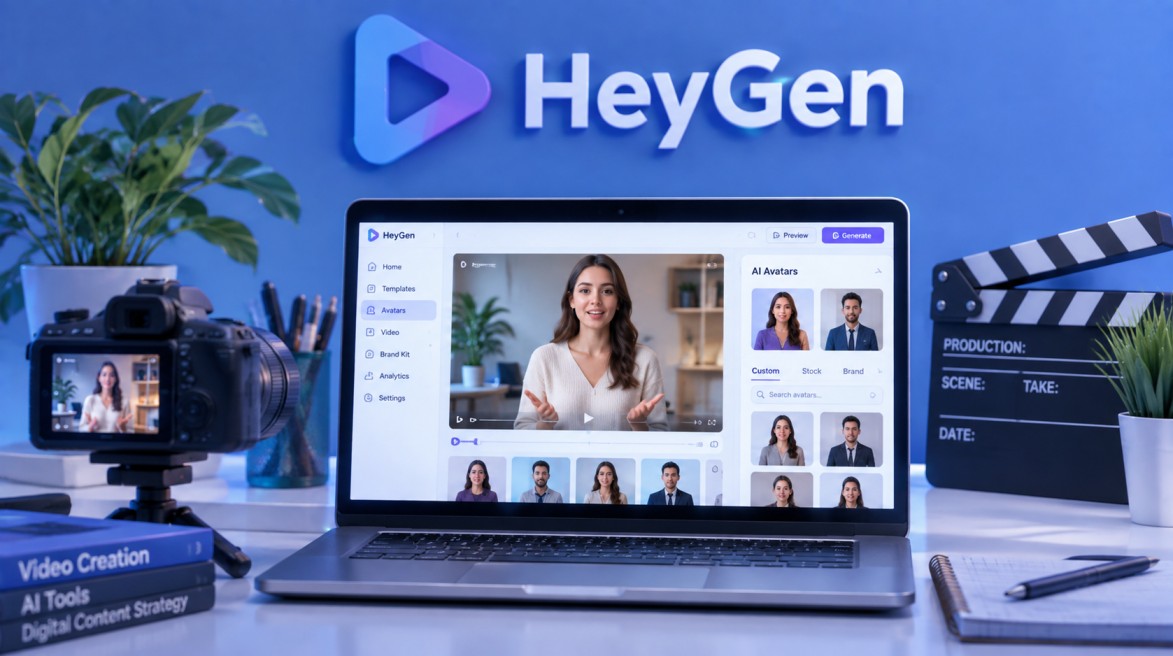
There’s a specific moment that happens to almost everyone shopping for an AI avatar tool. You watch a demo clip, you genuinely can’t tell it wasn’t filmed, and you open a pricing tab for Synthesia in one window and HeyGen in the other. Then the confusion starts. The two platforms look similar on the surface, i.e., same pitch, same promise of skipping the camera crew, but they were not built to solve the same problem, and that difference matters more than any feature checklist.
We went through both platforms, tracked how their 2026 pricing has shifted, and paid attention to where each one actually struggles once you’re past the polished homepage demo. This is what we found.
Synthesia grew up inside corporate learning and development. Feed it a script, pick an avatar from a large library, and it hands back a clean, slide-by-slide presenter video, often in a dozen languages at once. It’s the tool a training manager reaches for when a policy document needs to become a lesson without booking a studio.
HeyGen came at video generation from the marketing side. Its avatars gesture more, its editor moves faster, and it shows up far more often in ad creative and social clips than in a mandatory compliance module. The two companies have been chasing each other’s feature sets for the past year or so, but you can still feel where each one started.
Teams producing structured, repeatable content, onboarding videos, internal SOPs, safety training, tend to like Synthesia’s rigid, scene-by-scene editor. That rigidity is a feature once you need the same video to look identical in twelve languages.
Marketers and solo creators lean toward HeyGen almost by instinct. The avatars carry more natural gesture, the editor rewards fast iteration, and the finished clip feels less like a slide deck narrator and more like a person talking to camera. This isn’t really a “which one wins” question. It’s closer to “which job are you hiring it for.”
Here’s where the gap is widest. HeyGen’s current engine, Avatar IV, reads the emotional tone of a script and layers in matching micro-expressions and timing-aware hand gestures instead of the stiff, static delivery older avatar tools were known for. Most hands-on reviewers rate HeyGen higher for realism, and it’s noticeable in how the avatars move between sentences rather than just moving their mouths.
Synthesia’s avatars have gotten better too, and the library is bigger overall, but the defaults still lean corporate: polished, camera-ready, a little reserved. Both platforms let you build a custom avatar of your own face (Synthesia calls it a Personal or Studio Avatar, HeyGen calls it a Digital Twin), and on both sides, that’s where quality jumps the most.
Synthesia translates and narrates in roughly 120 languages. HeyGen covers closer to 175 for its lip-synced translation feature. Both include voice cloning tied to a custom avatar, and neither one’s lip-sync reads as obviously fake anymore, which wasn’t true even two years ago.
If your team writes scripts in English and needs them localized without re-filming, either tool saves real hours. HeyGen’s dubbing and translation workflow is generally the stronger of the two for adapting existing footage into new markets. If narration quality matters more to you than avatar visuals, it’s also worth comparing against dedicated voice cloning tools, since some teams pair HeyGen or Synthesia with a separate voice engine for cleaner audio.
Synthesia’s editor behaves like a slide-deck builder: scenes, script, avatar placement, in that order. It’s predictable enough to hand off to someone with zero video experience, but it can feel boxed-in if you’re not making a scene-by-scene video to begin with.
HeyGen’s editor gives you more room to move and includes a prompt-driven Video Agent that can rough out a first cut from a single line of instruction. New users generally pick up HeyGen faster for short-form content. Synthesia pays off more the longer and more structured the video gets.
Both platforms gate their brand kits behind paid tiers, though the details differ. Synthesia opens up broader stock media (Getty Images, Icons8) as you climb its pricing ladder. HeyGen concentrates its branding controls, custom avatars, and 4K export inside its Business plan. Neither offers real brand consistency on its cheapest tier, so budget for at least the second pricing step on either side if a consistent look matters from day one.
Both platforms offer a developer API, but the billing setup is different in a way that trips people up. Synthesia folds API access into its Creator plan. HeyGen runs its API as a separate subscription entirely, meaning a paid HeyGen web plan doesn’t include API credits, and API credits don’t unlock the web app. If you’re planning to connect either tool to an existing pipeline through Zapier, n8n, or a custom build, check which billing track you’re actually paying into before you scale up. HeyGen’s per-second API pricing can climb fast once volume increases.
HeyGen is usually quicker for short clips, which tracks with its lean toward marketing and social content, where getting to a second draft matters more than a perfect first one. Synthesia’s rendering holds up fine but tends to get judged less on raw speed and more on how consistent the output stays across a long, multi-scene video.
Both companies rebuilt their pricing in 2026, and both now lead with a cheaper entry price alongside a credit system that gets tighter the more you actually use the product. Treat the figures below as a current snapshot rather than a locked-in quote; AI video platforms adjust pricing often enough that it’s worth double-checking before you buy.
| Plan Tier | Synthesia | HeyGen |
|---|---|---|
| Free | 3–10 min/month, watermarked, 9 avatars | 3 videos/month, watermarked |
| Entry Paid | ~$18–29/month, logo removal, 125+ avatars | ~$29/month, unlimited videos, 200 credits |
| Mid Tier | ~$64–89/month, API access, personal avatars | ~$99/month, more credits, advanced features |
| Business/Team | Rolled into Enterprise | ~$149/month + $20/seat, 4K, custom avatars, SSO |
| Enterprise | Custom quote, unlimited minutes, SCORM export | Custom quote, SCORM, priority rendering |
The credit systems matter more than the sticker price does. HeyGen’s premium avatar rendering burns through credits fast enough that its Creator plan really covers about ten minutes of top-tier video a month, not the “unlimited videos” headline by itself. Synthesia’s minute-based caps are more upfront about their limits, but Enterprise pricing on both sides is a phone call, not a published number.
Both platforms hold SOC 2 Type II certification and comply with GDPR and CCPA, which covers what most marketing and internal-training teams actually need. Synthesia goes a step further for regulated industries, adding ISO 27001 and ISO 42001 certification alongside more established learning-management-system partnerships, which is part of why finance and healthcare training teams tend to land there. As of this writing, neither platform publishes a signed Business Associate Agreement for HIPAA-covered content, so anyone handling protected health information should raise that directly with sales rather than assume SOC 2 covers it. You can check current certifications yourself on Synthesia’s security practices page and HeyGen’s trust center.
Both offer email and chat support on paid plans, with dedicated onboarding reserved for Enterprise customers. Review data on sites like G2 tends to favor HeyGen slightly on response time at lower tiers, while Synthesia’s support structure is built more around its L&D and Enterprise client base.
Synthesia’s strengths, the avatar library, the LMS integrations, the compliance paperwork, come with real trade-offs: the default avatars still feel a bit stiff, the entry-tier minute limits are tight for anyone producing regularly, and a Studio Avatar add-on isn’t cheap. Enterprise pricing also isn’t public, so budgeting requires a sales call.
HeyGen’s advantages cut the other way. The avatars move more naturally and the editor is faster, but the premium credit system runs out quicker than the plan names suggest, the API bill lives entirely separate from your subscription, and its compliance certifications trail Synthesia’s for anyone in a regulated industry. Seat-based pricing on the Business plan also adds up fast for a larger team.
Neither platform is simply better than the other; they’re built for different jobs. Synthesia is the safer choice for regulated, high-volume, multilingual training content, where consistency and paperwork outweigh how expressive the avatar looks. HeyGen wins when avatar realism, editing speed, and marketing-ready output matter more than enterprise governance.
If you’re still not sure which category your project actually falls into, start with the free tier on both before spending anything. That hands-on test will tell you more in twenty minutes than any comparison table will.
For a wider view of where scripted avatar tools fit against fully generative video platforms, our AI video generators roundup covers that broader category if Synthesia and HeyGen turn out to be too narrow for what you’re building.