Tensor Art vs Midjourney: Which AI Image Generator Is Better? (2026)
February 21, 2026
0
Choosing between Tensor Art and Midjourney can be challenging because both platforms generate impressive AI images, but they serve different creative needs and budgets. Tensor Art attracts users
Choosing between Tensor Art and Midjourney can be challenging because both platforms generate impressive AI images, but they serve different creative needs and budgets. Tensor Art attracts users with its free tier and anime-focused community, while Midjourney remains the gold standard for photorealistic and artistic generation despite its premium-only pricing.
We tested both platforms by generating 50 images across different styles with portraits, landscapes, anime characters, abstract art, and product mockups. This comparison examines image quality, ease of use, pricing, and which platform delivers better results for specific creative projects.
Quick Comparison
Feature
Tensor Art
Midjourney
Pricing
Free tier available
$10-$60/month
Best Style
Anime/Manga
Photorealistic/Artistic
Interface
Web-based
Discord-based
Learning Curve
Easy
Moderate
Image Quality Comparison
Anime and Manga Style
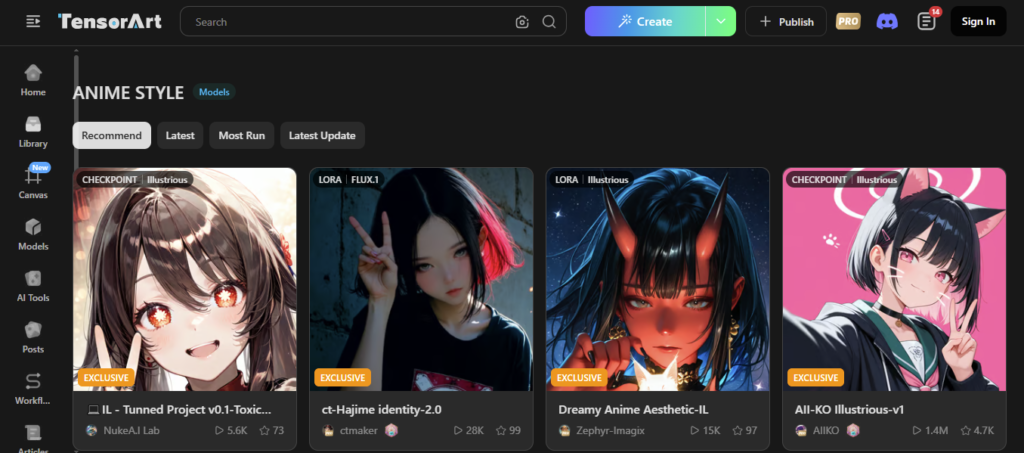
Tensor Art dominates anime-style generation with models specifically trained on anime art. The platform hosts thousands of community-created models optimized for different anime aesthetics from classic shoujo style to modern isekai character designs. In our testing, Tensor Art produced anime characters with consistent facial features, proper anatomy, and vibrant coloring that matched reference styles accurately.
The anime model library includes specialized options for specific series styles, character archetypes, and even particular artists’ techniques. This level of specialization means you can generate characters that feel authentically part of established anime universes or create entirely new characters matching precise aesthetic requirements.
Midjourney can generate anime-styled images with proper prompting, but the results feel less authentic. The AI often blends Western and Eastern art styles, creating hybrid images that miss the precise aesthetic anime enthusiasts expect. Character proportions sometimes skew toward realistic rather than anime conventions. For dedicated anime art generation, Tensor Art wins decisively.
Winner: Tensor Art for anime and manga enthusiasts
Photorealistic Images
Midjourney excels at photorealistic generation with exceptional attention to lighting, texture, and composition. Portrait photographs look genuinely realistic with natural skin tones, proper hair rendering, and believable environmental lighting. Our test portraits achieved near-photograph quality, with only occasional issues in hands and complex poses.
The platform handles challenging scenarios like backlighting, reflections in water or glass, and complex fabric textures with impressive accuracy. Product photography mockups generated by Midjourney could pass for professional studio shots, complete with appropriate depth of field and color grading.
Tensor Art produces decent photorealistic images but with noticeable AI artifacts. Faces sometimes appear slightly plastic, lighting feels flat compared to Midjourney, and fine details like fabric textures or hair strands lack the same refinement. The quality gap becomes obvious in direct comparison, particularly in facial features and skin texture.
Winner: Midjourney for photorealistic and professional photography
Artistic and Abstract Styles
Midjourney handles artistic interpretation brilliantly, generating images in styles ranging from oil paintings to watercolors to surrealist compositions. The AI understands artistic concepts like composition, color theory, and brushwork, producing results that genuinely resemble traditional art mediums. Impressionist landscapes capture the loose brushwork and light play characteristic of the style.
Tensor Art performs well with stylized art when using appropriate models but lacks Midjourney’s sophisticated understanding of artistic movements and techniques. Results feel more digital and less authentic to traditional art forms. The platform works better for modern digital art styles than classical art movement emulation.
Winner: Midjourney for artistic and creative projects
Pricing and Value
Tensor Art:
Free: 100 credits daily (approximately 25-50 generations depending on settings)
Premium: $9.99-$29.99/month for increased credits and priority generation
Midjourney:
Basic: $10/month (200 generations)
Standard: $30/month (unlimited in relaxed mode, 15 hours fast)
Pro: $60/month (unlimited fast generations + stealth mode)
Tensor Art offers better value for casual users and hobbyists. The free tier provides enough daily generations for personal projects without monthly costs. This makes experimentation affordable and removes pressure to maximize every generation. Premium tiers remain cheaper than Midjourney’s equivalent plans.
Midjourney requires paid subscription from the start, making it more expensive for occasional use but worthwhile for professionals needing consistent quality. The elimination of free trials means commitment before testing, though the Basic plan at $10 monthly provides a reasonable entry point.
Ease of Use
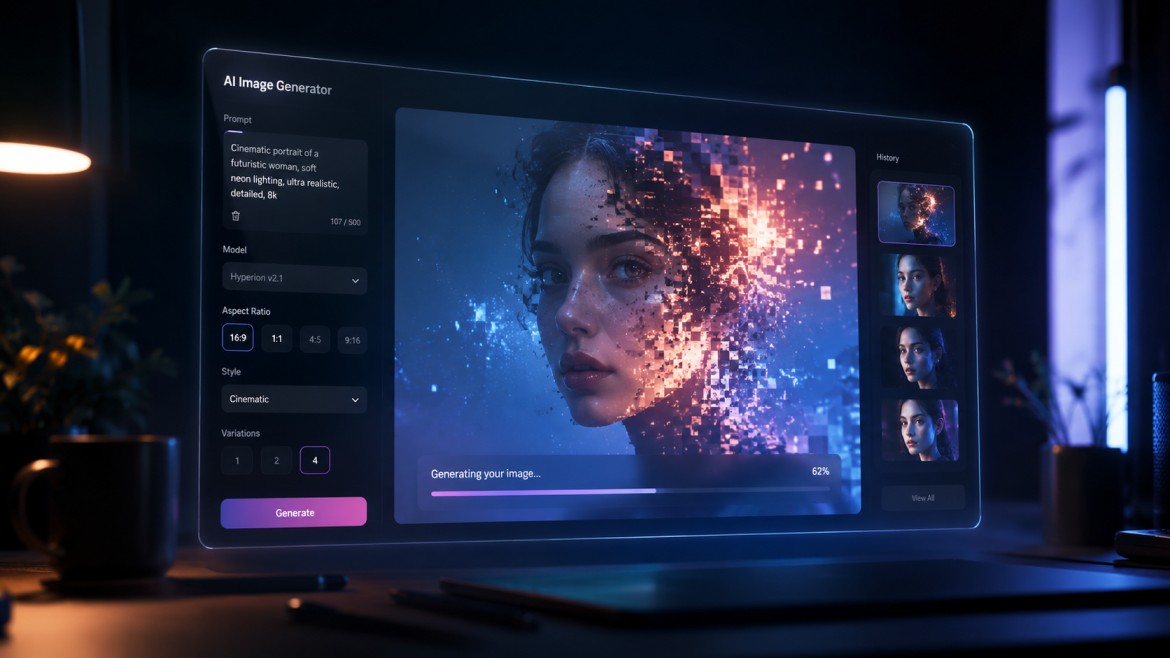
Tensor Art provides a traditional web interface with clear buttons, dropdown menus, and immediate visual feedback. New users can start generating images within minutes without reading documentation. The model selection system lets you browse community models with preview images, making it easy to find styles matching your vision.
The parameter controls are straightforward, adjust steps, guidance scale, and dimensions through simple sliders. Image generation history displays clearly in your account, making it easy to revisit previous creations or reuse successful prompts. The download process is instant without navigating multiple menus.
Midjourney operates through Discord, which confuses users unfamiliar with the platform. You enter prompts in a chat channel, wait for generation, then navigate Discord’s interface to save images. The learning curve is steeper, though once mastered, the system works efficiently. The Discord requirement feels outdated compared to modern web interfaces and adds unnecessary complexity.
Winner: Tensor Art for user-friendliness and accessibility
Community and Models
Tensor Art’s community-driven model library is its greatest strength. Users share custom-trained models for specific characters, art styles, and aesthetics. Need a model for Studio Ghibli-style backgrounds? Someone created it. Want consistent character generation? Multiple models exist. This crowdsourced approach provides incredible variety.
Model quality varies since anyone can upload, but popular models receive community ratings and reviews helping you identify the best options. The active community means new models appear constantly, often responding to current trends or popular requests within days.
Midjourney uses a single, continuously improved model accessible to all users. While this ensures consistent quality, it lacks the specialization that custom models provide. You can’t switch to a model specifically trained for your exact needs, you work with what Midjourney offers.
Which Should You Choose?
Choose Tensor Art if:
• You primarily create anime, manga, or stylized character art
• Budget is a concern and you need a functional free tier
• You want access to specialized community models
• You prefer a simple web interface over Discord
• You’re experimenting with AI art and want zero-cost entry
And Choose Midjourney if:
• You need photorealistic images for professional projects
• Artistic interpretation and composition matter most
• You’re willing to pay for consistent, high-quality results
• Discord integration doesn’t bother you
• You’re creating commercial work requiring professional quality
Frequently Asked Questions
Can I use both platforms together?
Yes, many creators use Tensor Art for anime work and Midjourney for photorealistic projects. Each platform’s strengths complement different creative needs without redundancy.
Do I own the images I generate?
Both platforms grant commercial usage rights to paid subscribers. Free tier users should verify terms, as some restrictions may apply to commercial use. Always check current terms before using images commercially.
Which platform is better for beginners?
Tensor Art’s web interface and free tier make it more beginner-friendly. Midjourney’s Discord requirement and paid-only access create barriers for newcomers exploring AI art generation.
How long does image generation take?
Both platforms generate images in 30-90 seconds typically. Midjourney’s fast mode produces results in 20-40 seconds, while relaxed mode takes 2-10 minutes during busy periods. Tensor Art’s speed depends on server load and whether you’re using priority generation.
Final Verdict
Neither platform universally beats the other, they serve different creative needs. Tensor Art wins for anime enthusiasts and budget-conscious creators who value accessibility and specialized models. The free tier alone makes it worth trying for anyone curious about AI art generation.
Midjourney remains unmatched for photorealistic and artistic generation, justifying its premium pricing for professionals and serious creators. If image quality matters more than cost and you’re comfortable with Discord, Midjourney delivers superior results across most non-anime styles. For many creators, using both platforms strategically, Tensor Art for anime and Midjourney for everything else, provides the best overall experience.